Motorcycle Windshield Guide 2026: Why Aerodynamic Turbulence Management Beats the 'Tall Screen' Myth
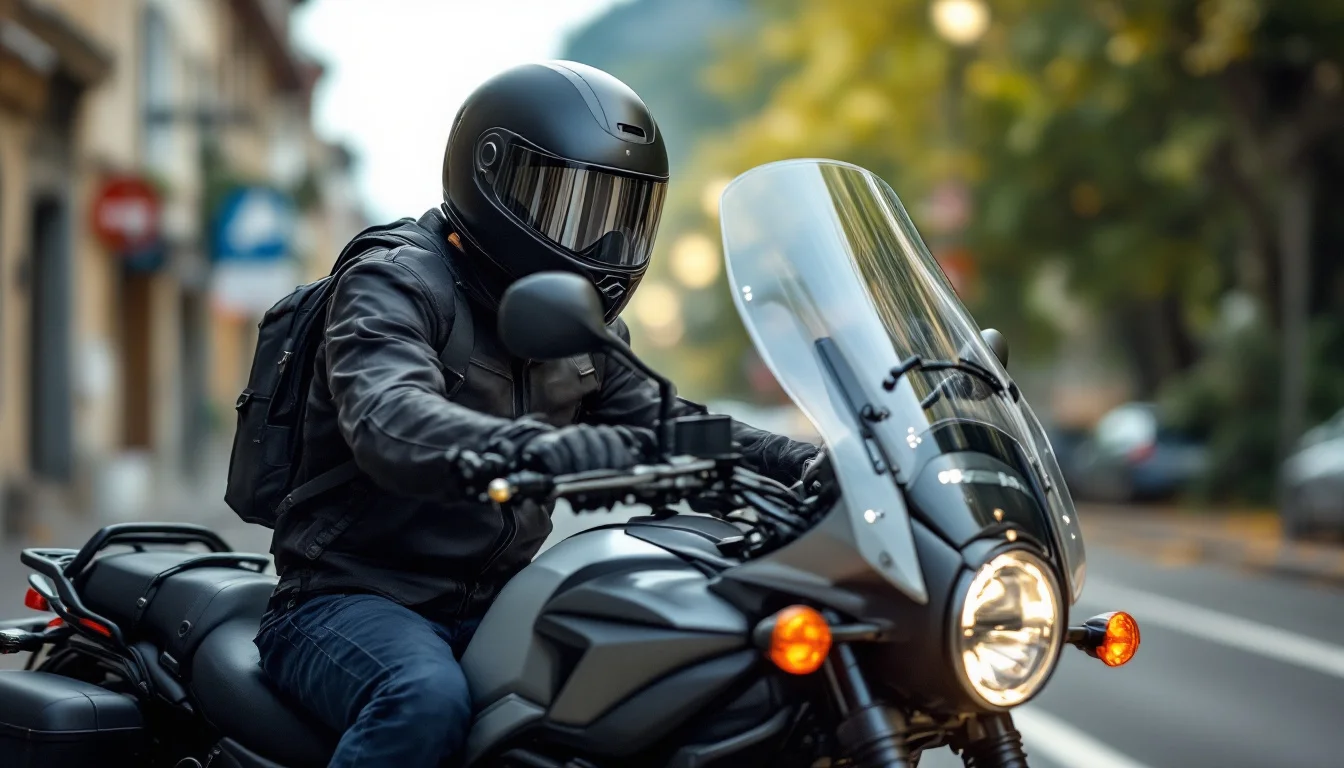
A long cross-border tour can quickly turn from a leisurely ride into a test of physical endurance, and the primary culprit is rarely the saddle. Exhaustion on the motorway is predominantly driven by fluid dynamics acting against the rider's upper body. A motorcycle windshield (windshield, screen, and shield are used interchangeably below) primarily manages airflow around the rider to reduce buffeting. This improves high-speed stability and keeps fatigue from ruining a long ride. Sustained wind pressure and noise often make themselves felt by mile 200, highlighting the need for active aerodynamic management over vast distances.
For decades, riders attempting to mitigate this neck strain and auditory fatigue have instinctively reached for the largest piece of acrylic available, assuming a massive frontal barrier provides maximum shelter. However, the rider's body is stated to be the biggest single drag source on the motorcycle-and-rider system. Because of this structural reality, simply blocking the wind is insufficient.
Matching shield geometry to the rider's own height and seating position matters significantly more than picking the tallest shield available. In 2026, successfully reducing rider fatigue requires abandoning sheer size in favor of deliberate turbulence management that routes airflow cohesively around the human form.
Key Takeaways
- Prioritize Fitment Over Size: Matching screen geometry to your specific torso and helmet position reduces fatigue far more effectively than installing the tallest available shield.
- Avoid the 'Barn Door' Penalty: Flat, vertical designs significantly increase absolute vehicle drag and frequently generate chaotic wakes that reach the helmet.
- Rely on Active Aerodynamics: Modern CFD-tested screens utilize integrated lips, slots, and adjustable spoilers to route air cleanly over the rider.
- Test Your Setup: A simple parking-lot straight-edge diagnostic gives a quick indication of whether a rider's helmet sits within an actively turbulent zone.
The Physics of Buffeting: Why 'Taller' Often Makes Turbulence Worse
To understand why sheer surface area fails to protect the rider, it is necessary to examine the physical forces generated at highway speeds. According to Dam-Sport (2026), riders typically begin to notice chest pressure, constant wind noise, and turbulence inside the helmet at common highway cruising speeds, after which fatigue builds up quickly. Buffeting is technically described as the combined effect of turbulent wake and vortex shedding striking the helmet and upper body (DMG Motorsports, 2026). Airflow physically shakes the rider's head, causing severe neck fatigue and elevated noise levels inside the helmet.
Riders frequently assume that purchasing a massive aftermarket screen will block these forces entirely. In reality, a taller, flatter, vertical shield directly increases frontal area and overall aerodynamic drag. Crucially, this flat "barn door" shape often produces a highly chaotic wake that dumps turbulence directly onto the helmet. The air collapses into the low-pressure zone immediately behind the screen, battering the rider.
Conversely, a rear-swept or reverse-flip design can actively redirect airflow higher over the rider without incurring the same massive drag penalty. Dam-Sport (2026) corroborates this aerodynamic reality, stating that buffeting inside the helmet is not always caused by the screen being "too low." Very often, the real issue is poorly managed turbulence rolling off an improperly angled lip.
Reconciling Protection and Aerodynamic Efficiency
This creates an apparent contradiction for touring enthusiasts: riders demand the maximum weather protection associated with tall touring screens, but they must avoid the excessive drag and chaotic wake generated by flat vertical designs. In 2026, the synthesis of opposing needs is found in modular airflow systems.
Modern adjustable screens bridge this gap. Dam-Sport notes that an adjustable screen or a well-designed touring screen usually works far better than simply choosing "the tallest one," allowing the rider to isolate protection without sacrificing aerodynamic stability.
CFD and Wind Tunnels: The 2026 Engineering Standard
The manufacturing approach to motorcycle wind protection has evolved significantly. Dam-Sport (2026) reports that motorcycle screens are no longer "just plastic." Leading brands have improved design, materials, and aerodynamics thanks to Computational Fluid Dynamics (CFD) simulations and rigorous wind-tunnel testing. This transition from basic aesthetics to applied physics has resulted in highly engineered surfaces and the widespread adoption of more adjustable systems with spoilers specifically designed to reduce buffeting.
The Mechanics of Geometric Details
Engineers now focus on micro-adjustments to the screen's lip rather than scaling up its absolute dimensions. Aerodynamic evaluations indicate that targeted geometric modifications—such as integrated slots—can improve airflow management, potentially reducing the vehicle's drag coefficient and mitigating lift forces depending on specific testing conditions. This data supports the argument that small, precise design details rather than overall screen size drive the most favorable aerodynamic outcomes for the rider.
The Explicit Trade-Off: Efficiency Versus Comfort
While manipulating fluid dynamics allows for cleaner airflow, it often forces manufacturers to make calculated compromises between vehicle efficiency and human endurance. General aerodynamic evaluations of various windshield designs frequently indicate that the factory OEM shield possesses a lower drag coefficient overall.
In contrast, the tested aftermarket shields successfully reduced direct pressure on the rider, but doing so actively increased the motorcycle's overall drag. This represents an explicit comfort-versus-efficiency trade-off. Touring riders willingly accept a marginal reduction in pure aerodynamic efficiency in exchange for a highly engineered screen that shields the torso and isolates the helmet, since fatigue reduction over 500-mile days is worth a modest drag increase.
The Rider-Screen Geometry Audit: A 4-Step Parking-Lot Test
Because the human body dictates the aerodynamic envelope, a screen that performs perfectly for one owner may cause severe buffeting for another. Variables such as torso length, seat height, and suspension sag alter where the turbulent wake intersects the rider. Before investing in a new setup, owners must evaluate their specific ergonomic footprint.
The Parking-Lot Fitment Framework
DMG Motorsports (2026) provides a practical physical diagnostic to determine if a rider is sitting incorrectly relative to the windshield's wake. This step-by-step parking-lot fitment check can be executed quickly to audit current aerodynamics.
- Establish Touring Posture: The rider must mount the motorcycle while seated in full riding gear. Adopt the exact, relaxed seating position utilized during long highway miles, ensuring the suspension is properly loaded.
- Check Visual Alignment: Evaluate where the horizon intersects the windshield. Fitment guidance dictates that the eyes should sit just above or directly at the shield's top edge for touring shields. For sport applications, the eyes should sit below the edge.
- Execute the Chin-Bar Test: Take a rigid straight edge—such as a level or yardstick—and hold it perfectly horizontally extending from the helmet's chin bar forward toward the windshield.
- Diagnose the Intersection: Observe where the horizontal straight edge meets the acrylic. This line should naturally clear the shield's top edge by a moderate margin.
Adjustable Systems and Venting: The Modern Touring Sweet Spot
When geometry is mismatched, riders often look to secondary features to resolve the resulting turbulence. Vents carved into the lower portion of the screen are a common industry solution, but they serve a highly specific aerodynamic function that is frequently misunderstood.
Breaking the Vacuum Effect
DMG Motorsports (2026) explains that integrated vents help significantly when the main problem is a vacuum forming behind the shield. This low-pressure pocket acts as a powerful suction mechanism, pulling turbulent air back toward the helmet and pulling the rider's head forward. By channeling high-pressure air through the vent, the vacuum is equalized, smoothing the airflow.
However, venting has strict limitations. If the buffeting is fundamentally caused by the top-edge wake hitting the helmet directly, a vent alone will not fix it. In this scenario, altering the pressure zone is useless; a geometry change at the lip is required to lift the wake over the visor.
The Variable Spoiler Solution
Because static lips cannot adapt to varying rider heights, modular hardware is a common specification in 2026 touring ranges. Dam-Sport (2026) names the Givi Airflow as one example of an adjustable screen equipped with a height-adjustable spoiler.
Adjustable variable-spoiler systems like this are frequently designated for adventure bikes, maxi-adventure bikes, and large touring scooters. Allowing the rider to slide the spoiler up or down creates a custom lip geometry that matches the chin-bar audit. The result is a high protection level and noticeably less turbulence around the helmet, making variable systems suitable for long tours and motorway miles.
FAQ: Motorcycle Windshields and Aerodynamics
Do integrated vents actually stop top-edge helmet buffeting?
No. Vents equalize the low-pressure vacuum behind the fairing that typically pulls a rider's head forward. However, they cannot redirect a top-edge wake that is aimed squarely at the visor. The parking-lot chin-bar test distinguishes these issues: if a horizontal straight edge from your chin intersects the top third of the windshield, the geometry is mismatched, and altering the lip angle—not adding a vent—is required to lift the wake over the helmet.
Why does my factory OEM screen feel less protective than aftermarket options?
Factory designs generally prioritize the machine's aerodynamic efficiency. For example, a tall-torso rider on a mid-size adventure bike may experience severe buffeting behind a factory shield optimized for average overall drag. As general aerodynamic evaluations have demonstrated, OEM screens often maintain a lower drag coefficient. Aftermarket models willingly sacrifice a degree of that vehicle efficiency to create a wider, calmer air pocket scaled to the rider's specific ergonomic footprint.
Conclusion: The Next Horizon in Rider Aerodynamics
Mastering high-speed airflow over vast distances demands treating the rider and machine as a cohesive unit. As CFD analysis continues to dictate aftermarket manufacturing, the engineering focus has moved toward seamless integration. Ultimately, the future of touring comfort lies in treating the motorcycle's front fairing, the active adjustable screen, and the rider's helmet not as isolated components, but as a single, unified aerodynamic ecosystem.