Motorcycle Camping 101: The Essentialist Gear Guide for Overnight Moto Adventures
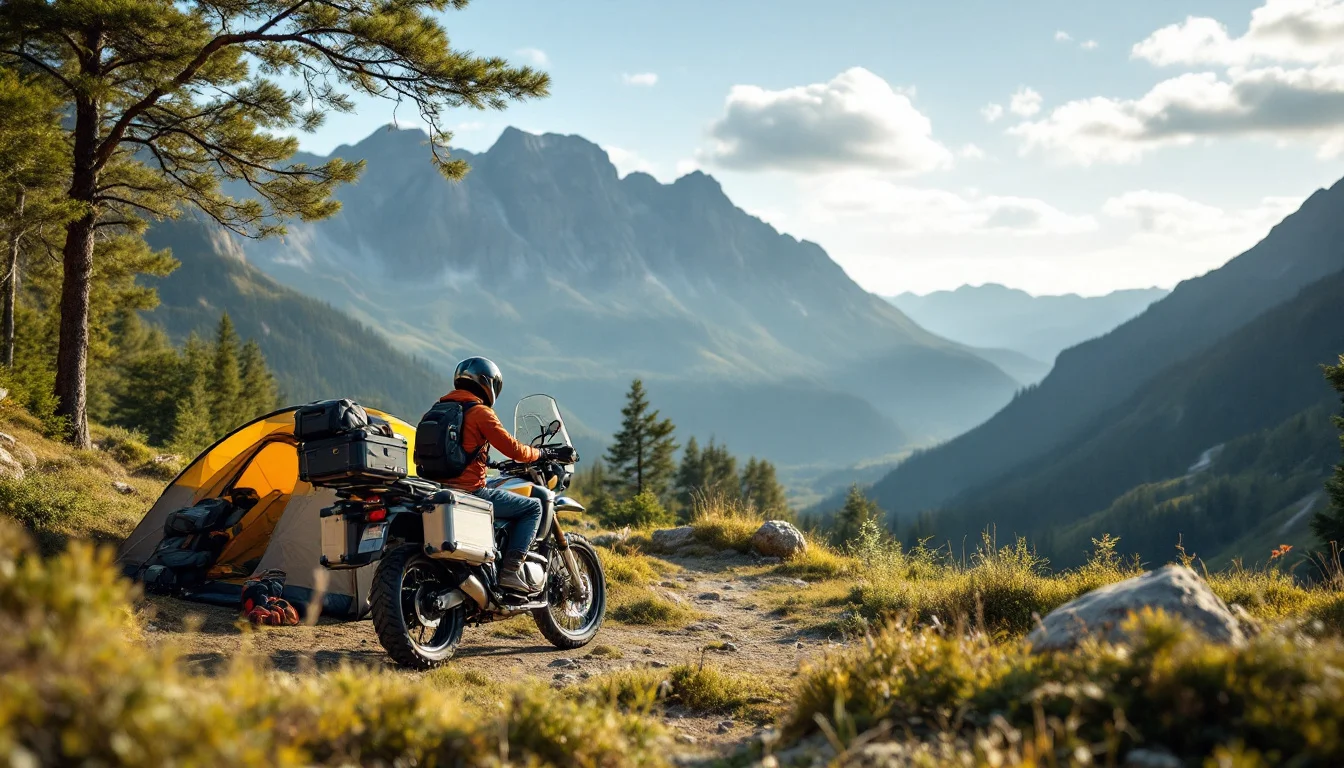
Hitting the open road with camping gear evokes a powerful sense of unbridled freedom. Yet, that freedom quickly vanishes when a motorcycle is burdened by the heavy weight of an entire garage strapped to the pillion seat. Carefully choosing what to pack shapes the whole ride, shifting the focus from managing heavy luggage to enjoying the journey. According to Motorcycle.com, adventure riding is less about bringing everything and more about bringing the right things. Striking this balance is crucial, as overpacking makes every mile a reminder of what you carry and never use. Successful motorcycle camping generally benefits from an essentialist approach. It requires curating a highly resilient, multi-functional gear system where every single item must earn its space through undeniable utility and trailside reliability. The ultimate goal is to pack with distinct intention, creating a lightweight setup that enhances the riding experience.
What Are the Core Rules of Moto Camping Packing?
- Prioritize purposeful packing to ensure every single item adds practical, everyday value to the journey without compromising handling.
- Base gear selections on multi-functionality rather than single-use convenience to conserve limited pannier space.
- Maintain emergency redundancy for critical mobility systems, like tires, where roadside failure isn't an option.
- Test all mechanical tools and practice intricate repair procedures in a controlled home environment long before hitting the trail.
- Match apparel choices directly to highway speeds and weather variability rather than repurposing standard outdoor clothing.
How Should You Choose Moto Camping Shelter and Sleep Systems?
When assembling a sleep system, riders often gravitate toward ultralight backpacking gear to save space. However, on a motorcycle, slight upsizing yields disproportionate returns in overnight recovery.
Rethinking Tent Capacity
When choosing a tent for moto camping, Motorcycle.com suggests a two-person tent offers a better balance of space and packability than a one-person tent. While a solo tent saves minor weight, the extra room matters significantly when storing bulky gear, changing clothes safely, or waiting out bad weather during prolonged storms. However, sizing up is not recommended when the packed volume takes essential pannier space from other categories or exceeds your budget.Temperature Margins and Sleep Systems
Physical recovery demands adequate warmth. Motorcycle.com advises riders to pay attention to a sleeping bag's temperature rating and to give themselves a margin for safety, since nights outdoors can be colder than expected, especially at elevation. According to Basecamp Brooklyn, a 20°F sleeping bag provides plenty of warmth for spring or late autumn moto-camping adventures, offering a practical buffer against unexpected temperature drops. Basecamp Brooklyn also notes a sleeping pad or air mattress is essential for necessary ground insulation and overall comfort.The Camp Pillow Debate
Space constraints often force riders to evaluate every small comfort item. The necessity of a camp pillow divides riders. Basecamp Brooklyn highly recommends a camp pillow and suggests it should not be skipped, noting that a small camping pillow makes a huge difference in sleep quality. Conversely, Motorcycle.com argues that a camp pillow is a small luxury that takes up packing space better used for other items, noting it can easily be improvised from thick clothing or armored riding gear.The "Earn Its Space" Item Matrix
To 'earn its space,' an item must justify its packed volume by solving problems specific to motorcycle travel that generic backpacking gear cannot.| Gear Category | Standard Backpacking Wisdom | Moto-Specific Reality | Essentialist Rationale |
|---|---|---|---|
| Shelter | One-person tent saves pack weight. | Two-person tent strongly preferred. | Provides necessary interior space for bulky protective gear and changing clothes. |
| Tire Kit | Carry a standard patch kit. | Carry string plugs plus a spare tube. | Redundancy is required because a plug may not seal or a valve stem could be damaged. |
| Headrest | Always pack an inflatable pillow. | Debatable optional luxury item. | Packing volume is at a premium; riding jackets can be repurposed effectively. |
Which Tools Are Actually Needed for Trailside Repairs?
Mechanical self-reliance defines a successful overnight adventure. Away from standard towing services, managing equipment failures requires foresight. According to Motorcycle.com, a flat tire is something riders will almost certainly deal with if they ride long enough, with the chance of needing a trailside repair rising directly with mileage.
Preparing for Punctures
For modern adventure and touring bikes, tubeless tire setups are the most straightforward to repair. Motorcycle.com points out that regular string-type plug kits available at most fuel stations work great for standard punctures. However, relying solely on these plugs creates a vulnerability. Even with a tubeless setup, a spare inner tube, a patch kit, and the tools to remove the wheel are essential for tube-type wheels and also recommended for tubeless wheels. A string plug might simply not seal a large gash, or a valve stem could be damaged, effectively turning your tubeless wheel into a tube-type — making it far simpler to fit a tube than to arrange remote extraction.Optimizing the Tool Roll
Rather than relying on generic multi-tool sets, Motorcycle.com advises riders to build a tool kit specifically for their motorcycle. This focused approach eliminates dead weight. Crucially, riders must test it at home. Checking basic chassis fasteners and practicing wheel removal in a consequence-free environment is vital before doing it on the side of a remote trail under stress.Trailside Tire Hacks
Changing a motorcycle tire manually demands significant physical leverage and technique. The rigid sidewalls of modern adventure tires resist sliding over aluminum rims. To ease this demanding process, proper lubrication makes mounting a tire and seating the bead significantly easier. While some sources have historically suggested a light application of WD-40 from a travel-friendly can, professional mechanics strongly discourage using petroleum distillates due to potential rubber degradation and long-term bead-sealing failures; widely recognized standard recommendations strictly favor soapy water or purpose-made tire paste.How Do You Build a Practical Moto Camp Kitchen?
Feeding yourself on the road requires balancing caloric needs with strictly limited pannier volume. Fortunately, Motorcycle.com points out that cooking gear for moto camping does not need to be elaborate to be effective.
Stove Selection and Hydration
Motorcycle.com notes a simple fuel-canister camp stove is usually the easiest and most reliable option for the majority of weekend trips. While multi-fuel stoves offer more flexibility for extended trips in remote areas, they inevitably come with added mechanical complexity and maintenance demands. Managing hydration also requires strategic choices. A water filter becomes essential on longer or more remote rides, because carrying all the heavy water you need is not always practical or safe for the bike's handling dynamics.Analyzing the Campfire Toolkit
Basecamp Brooklyn suggests packing a hatchet and saw if you will be gathering wood, though riders must check local regulations first. Motorcycle.com, on the other hand, recommends skipping the hatchet in favour of a sturdy folding saw or a comparable cutting tool that complies with local blade transport laws, noting that a hatchet is heavy and awkwardly shaped for motorcycle luggage. Motorcycle.com also cautions against compact wire saws with finger loops, noting from practical field experience that they get excessively hot to hold and the brittle metal frequently breaks when cutting a small log. This is a genuine point of disagreement between sources, and riders should weigh their own space constraints and riding style when deciding.What Gear Should You Wear for Highway Speeds and Weather?
A common pitfall for novice moto campers is repurposing standard hiking apparel for motorcycle duties. The windblast and physical abrasion experienced at highway speeds demand specialized, heavily reinforced equipment.
The Failure of Cheap Materials
A cheap rain suit can literally shred in the wind during a high-speed ride. A rider account in Motorcycle.com vividly describes a cheap suit being completely shredded and thrown away during a wet multi-state trip, leading the rider to buy a real motorcycle rain suit only decades later after repeating a similar miserable experience. Dedicated motorcycle rain gear features reinforced, taped seams and heavy-duty materials designed specifically to withstand relentless aerodynamic drag without ballooning or tearing.Extending the Riding Season
Comfort directly impacts rider safety and mental focus. Upgrading the bike itself can eliminate the need to pack extra insulated clothing layers. Heated grips are described by one rider at MotoAdventurer.com as a requirement for daily commuting through an Ohio winter, and as a feature he will not own a motorcycle without. Keeping hands warm preserves vital dexterity for braking and clutch control when temperatures suddenly plummet during a late autumn camping trip.Frequently Asked Questions About Moto-Camping
How do I keep food cold on a motorcycle?
Instead of packing bulky, space-consuming ice packs in a top case, freeze meats and liquids solid before departure. According to Basecamp Brooklyn, frozen items act as cooling agents inside a cooler bag, helping keep the rest of your food cold throughout the riding day.Do I need to pack dedicated firestarters?
Not necessarily. Motorcycle.com suggests that clean paper and cardboard packaging from trail snacks ignite instantly and can serve as effective kindling, reducing the need for specialized camping tinder. That said, compact commercial firestarters are widely available and worth considering if you prefer a reliable backup.How should heavy gear be distributed on the bike?
Keep the motorcycle's center of gravity as low and far forward as possible. Heavy, dense items like mechanical tool kits, spare tire tubes, and extra water supplies should sit firmly at the bottom of the side panniers, while lighter, bulkier items like sleeping bags and synthetic tents should also be kept as low as possible in the side cases to minimize wind drag and maintain a balanced center of gravity, using the rear pillion seat only as a carefully managed last resort.Why Does Essentialist Packing Matter?
Mastering the complex art of packing for a two-wheeled excursion requires patience and a willingness to learn from the inevitable mistakes of every trip. Over time, the anxiety of potentially leaving something critical behind fades, naturally replaced by a refined, personal understanding of what equipment genuinely serves a daily purpose. The packing process eventually stops feeling like a tedious chore and quietly evolves into a calming ritual of preparation. Curating a lean, highly purposeful gear system ultimately shifts the rider's mental focus away from managing the motorcycle's cumbersome payload and firmly back to the open road ahead.