How to Secure Your Motorcycle Against Theft: The 'Two-Minute' Layering Strategy
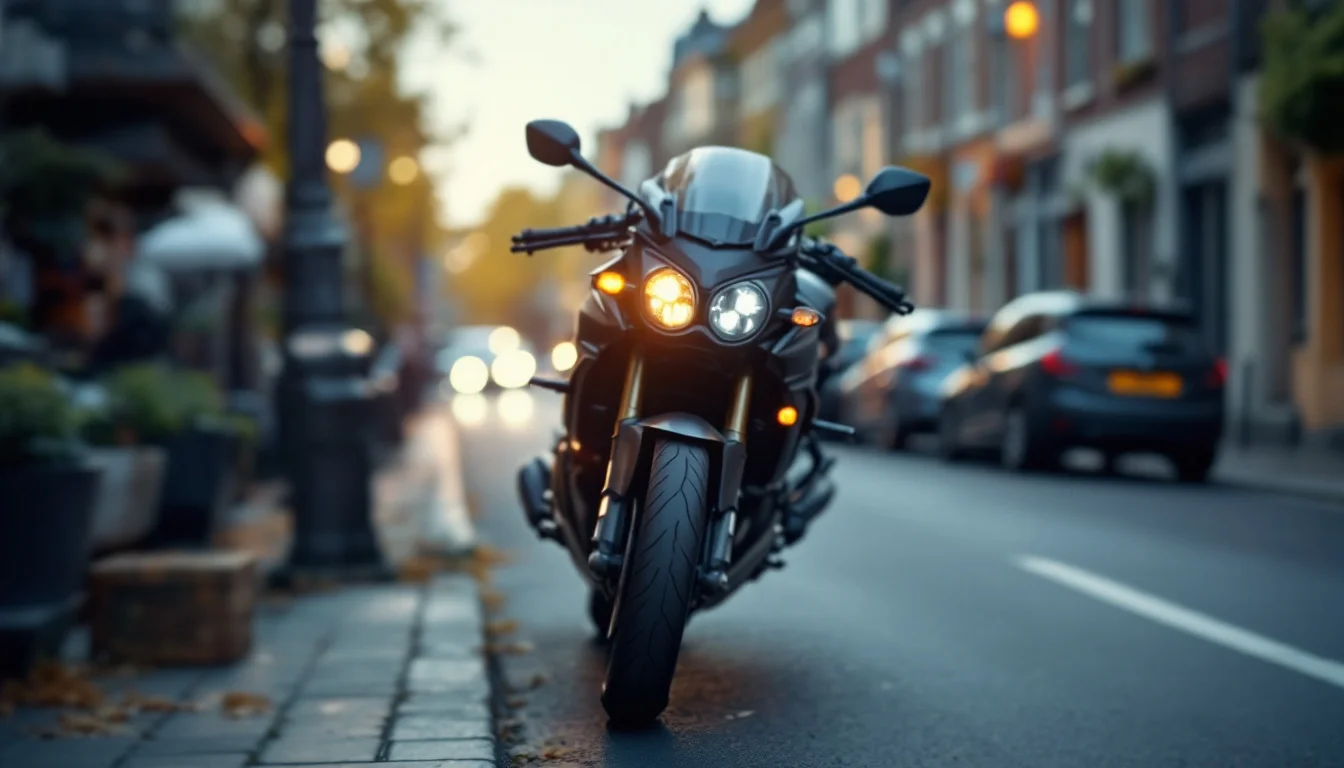
Factory security mechanisms often provide a false sense of safety for new riders. A standard OEM steering lock might feel robust when parking on a busy street, but the reality is much more fragile. A thief can snap a standard steering lock with a single forceful kick in seconds, leaving the bike ready to be wheeled away silently. The 2026 threat environment is characterised by overwhelming speed, portable power, and coordinated teams. Organised "van-lift" thefts can quickly load a motorcycle into a van in a matter of moments, bypassing street-level passive security entirely. Securing a motorcycle today is no longer a search for a single, mythical unbreakable lock that can withstand infinite abuse. Instead, it demands a deliberate strategy of layered defences designed to neutralise both raw physical force and the rapid extraction tactics utilised by modern, professional theft rings.
Key Takeaways
- The 120-second operational threshold: Professional thieves operate on tight timelines and typically abandon targets that take longer than two minutes to breach.
- Single chains are mechanically insufficient: Battery-powered tools render isolated mechanical locks inadequate for overnight protection, forcing riders to stack multiple heavy-duty constraints.
- Digital monitoring provides an active response: Modern asset recovery increasingly benefits from 24/7 approved monitoring centres to actively coordinate with local authorities. This shift mitigates the severe physical risks associated with DIY retrieval via unmonitored smartphone apps.
The 2026 Threat Landscape: Why Single Locks Fail
The modern motorcycle thief is well-equipped, exceptionally fast, and often operates as part of an organised network rather than acting opportunistically. In the UK, tens of thousands of motorcycles are reported stolen annually, according to official policing data. This alarming frequency illustrates a broader European threat environment where traditional security measures are consistently outpaced by evolving, aggressive tactics.
The Impact of Portable Power Tools
The primary catalyst for this shift is the ubiquity of high-performance, battery-powered tools that easily defeat older security hardware. A battery-powered angle grinder can slice through a heavy-duty chain in less than a minute. In fact, the exact time required varies widely depending on the chain's thickness and the specific tool used, but even robust hardware can be compromised rapidly. Consequently, relying on a single piece of hardware—no matter how thick or expensive—guarantees vulnerability against a determined attacker armed with modern cutting equipment.Electronic Vulnerabilities
Physical destruction is not the only vector utilised by modern thieves. As motorcycles become increasingly connected and rely on smart key fobs, criminals have adapted their methods accordingly. The rise of relay and electronic bypass theft allows thieves to intercept key signals to start modern bikes without a physical key. This sophisticated technique bypasses standard mechanical immobilisers entirely, allowing an attacker to quietly ride the motorcycle away from a residential driveway without triggering basic alarms or requiring heavy tools, further underscoring why isolated, single-lock defences fail completely.The 'Two-Minute Rule' and the Three Layers of Defense
Because unbreakable security is a myth against modern tools, the most effective defence relies entirely on attrition. Most professional thieves abandon an attempt if they cannot bypass the security within 120 seconds, according to Lock and Track (2026). This operational metric—the "two-minute rule"—dictates exactly how owners should structure their defences. If a single chain can be defeated so quickly, relying on one chain is a mathematical failure; however, multiple hardened locks compound the time required, pushing the thief well past their safe extraction window.
Lock and Track frames motorcycle security as three independent obstacle layers — deter, delay and detect — that drain a thief's most valuable resource: time. By synthesising this philosophy with available hardware and monitoring services, riders can utilise a "Time-Drain Layering Checklist" to build a comprehensive defence system:
The Time-Drain Layering Checklist
- Deter (Visual Friction): The initial presentation of security. Overt hardware visually communicates that the safe abandonment window will be incredibly difficult to beat, actively encouraging opportunistic thieves to bypass the vehicle and seek easier, less secure targets.
- Delay (Mechanical Resistance): The physical barriers. FEBIAC lists the anti-theft options on the market: U-lock, chain, cable, disc lock, lever lock, alarm, GPS tracker, markings and the secure parking system (Bunker Park, a ground-mounted parking lock anchor). Stacking these mechanical tools forces the use of loud power tools, burning critical seconds and drawing unwanted attention.
- Detect (Active Response): The digital fail-safe. While hardware delays the theft, digital tools respond immediately if the bike moves. Crucially, a low-cost GPS tracker typically only sends a position or an alert and then leaves the owner alone to deal with the situation, whereas a solution connected to an approved 24/7 alarm monitoring centre adds fast alert transmission, structured analysis of the situation, real support in the event of theft and coordination with the authorities.
Layers 1 & 2 (Deter & Delay): Essential Physical Hardware
Building the physical barrier requires selecting the right tools to maximise the delay phase. A mechanical anti-theft device remains an essential foundation: it complicates the theft, increases the time required and can discourage an opportunistic attempt. However, it offers no visibility on what happens after the bike is moved, making it strictly a delay tactic rather than a complete security solution.
Choosing Between Sold Secure Gold and Diamond
Independent testing standards provide a reliable benchmark for consumers. Lock and Track (2026) explains that Sold Secure focuses on evaluating physical hardware, categorising items into Gold or Diamond ratings:- Sold Secure Gold: Choose this rating for daily commuting or shorter daytime parking durations in public spaces where ambient surveillance is higher and the risk of sustained power-tool attacks is slightly lower.
- Sold Secure Diamond: Select this highest level of resistance for overnight home parking or areas where maximum delay is required against sustained, aggressive power-tool attacks.
Maximising the Delay
To effectively implement the mechanical delay layer, riders should focus on securing the chassis to a truly immovable object.- Immovable Ground Anchors: Utilising high-grade anchors directly prevents the motorcycle from being quickly hoisted into a waiting vehicle, effectively neutralising rapid lift-away extraction tactics.
- Multi-Lock Stacking: Applying a thick chain through the rear wheel and frame, paired with an independent U-lock on the front wheel, creates varying angles and materials that a thief must manually cut through. This strategic placement forces multiple tool changes and awkward blade realignments, safely extending the attack duration well beyond the abandonment window and increasing the likelihood that the thief will give up and flee.
Layer 3 (Detect): The Digital Safety Net and the Danger of Self-Recovery
Even thick mechanical chains can be defeated if a thief is equipped with enough time and heavy machinery, making the final "Detect" layer crucial. The modern security paradigm has shifted from merely protecting the physical asset to safely managing its active recovery.
The Hidden Risk of App-Only Trackers
Many riders wrongly assume that any location-pinging device offers adequate protection. However, a stark divergence exists between passive tracking and active monitoring. When an unmonitored system triggers, the burden of action falls entirely on the vehicle's owner. Without a structured monitoring service, some owners are tempted to recover their motorcycle themselves after seeing a position in an app — a reaction that carries significant personal risk. Confronting organised theft rings in an isolated industrial park or residential garage transforms a property crime into a potentially dangerous physical altercation. An approved alarm monitoring centre handles the situation professionally instead, ensuring the owner remains out of harm's way while the recovery is managed by trained personnel.The Value of Monitored Recovery
Investing in a premium tracker often involves subscribing to a professional recovery service rather than just purchasing additional electronics. While this introduces an ongoing subscription cost, monitored systems bridge the critical gap between knowing a vehicle is stolen and actually retrieving it safely. When an alert is triggered, the monitoring centre assesses the data and coordinates directly with local law enforcement, rather than leaving the owner to manage an emergency call alone.The effectiveness of this active, hands-off approach is highly measurable. According to vendor-supplied metrics from MSE Europe (vendor of the EasyTrak solution), a vast majority of motorcycles protected by a solution connected to an approved alarm monitoring centre are successfully recovered. While such internal commercial data is subject to selection bias and lacks independent verification, it underscores the potential operational advantage of entirely removing the motorcycle owner from the physical recovery process and relying on structured, immediate institutional coordination.
Understanding Security Certifications: Thatcham vs. Sold Secure
Navigating the complex landscape of security equipment requires understanding the specific certifications that insurance companies recognise. Purchasing uncertified gear often leaves riders without coverage if a theft occurs.
Standardizing Digital Security
While Sold Secure evaluates the physical resilience of chains and anchors, a different regulatory body governs electronic defences. Lock and Track (2026) states that Thatcham Research is the primary benchmark for UK insurers, testing the electronic integrity and resistance of trackers and immobilisers.| Certification Body | Focus Area | Grading System | Insurance Impact | Source |
|---|---|---|---|---|
| Sold Secure | Physical Hardware | Gold, Diamond | May be required for insurance compliance on physical security; check your policy | Lock and Track (2026) |
| Thatcham Research | Digital & Electronic | Categories (e.g., S5, S7) | Validates active tracking devices; UK insurers may mandate Thatcham-approved installation for higher-value motorcycles | Lock and Track (2026) |
| Uncertified Devices | Passive Tracking | None | No institutional insurance benefit | Industry Standard |
The financial implications of these independent certifications are substantial for modern riders. According to industry sources, many UK insurers may mandate a Thatcham-approved installation for higher-value motorcycles, making strict compliance a crucial step for comprehensive coverage rather than an optional upgrade. Because specific requirements vary significantly between insurance providers, riders should verify the exact stipulations of their own policy.
Frequently Asked Questions
Where do most motorcycle thefts happen?
In the UK, official police data indicates that the majority of motorcycle thefts occur directly at or near the owner's property, with hotspots such as the West Midlands and Greater Manchester seeing sustained activity. This underlines the need for permanent, immovable ground anchors installed directly at the home property.Is a disc lock enough on its own?
A disc lock is highly practical for short, daytime stops outside a cafe or office because it prevents the bike from being easily rolled away. However, since it only secures the wheel and does not anchor the chassis to the environment, it cannot stop the vehicle from being physically lifted and should never be utilised as the sole security measure for overnight parking.What does Thatcham S5 or S7 mean?
These categories define distinct levels of security based on specific technical criteria, such as whether a system includes automatic driver recognition alongside asset location features. Riders should consult their insurer or a Thatcham-approved installer for the precise technical requirements of each category.How can I secure my motorcycle in a shared apartment garage?
Shared residential garages are high-risk areas because they offer thieves privacy once inside. Since modifying the property with a permanent ground anchor is often prohibited, riders should focus on heavy-duty chains secured around structural pillars or combine multiple Sold Secure Diamond chains with a monitored tracking system.Conclusion: A Holistic Approach to Motorcycle Security
Securing a motorcycle is no longer a static, one-time purchase; it is an ongoing arms race against highly sophisticated networks. As manufacturers inevitably introduce more advanced connected features to future models, organised criminals will simultaneously develop new electronic bypass technologies to exploit them. Physical heavy-duty chains and monitored digital trackers manage the current risk effectively, but the ultimate layer of defence remains consistent owner vigilance. Continuously evaluating parking locations, recognising the subtle signs of neighbourhood scouting, and rapidly adapting to emerging threat vectors will definitively shape the next generation of motorcycle security.