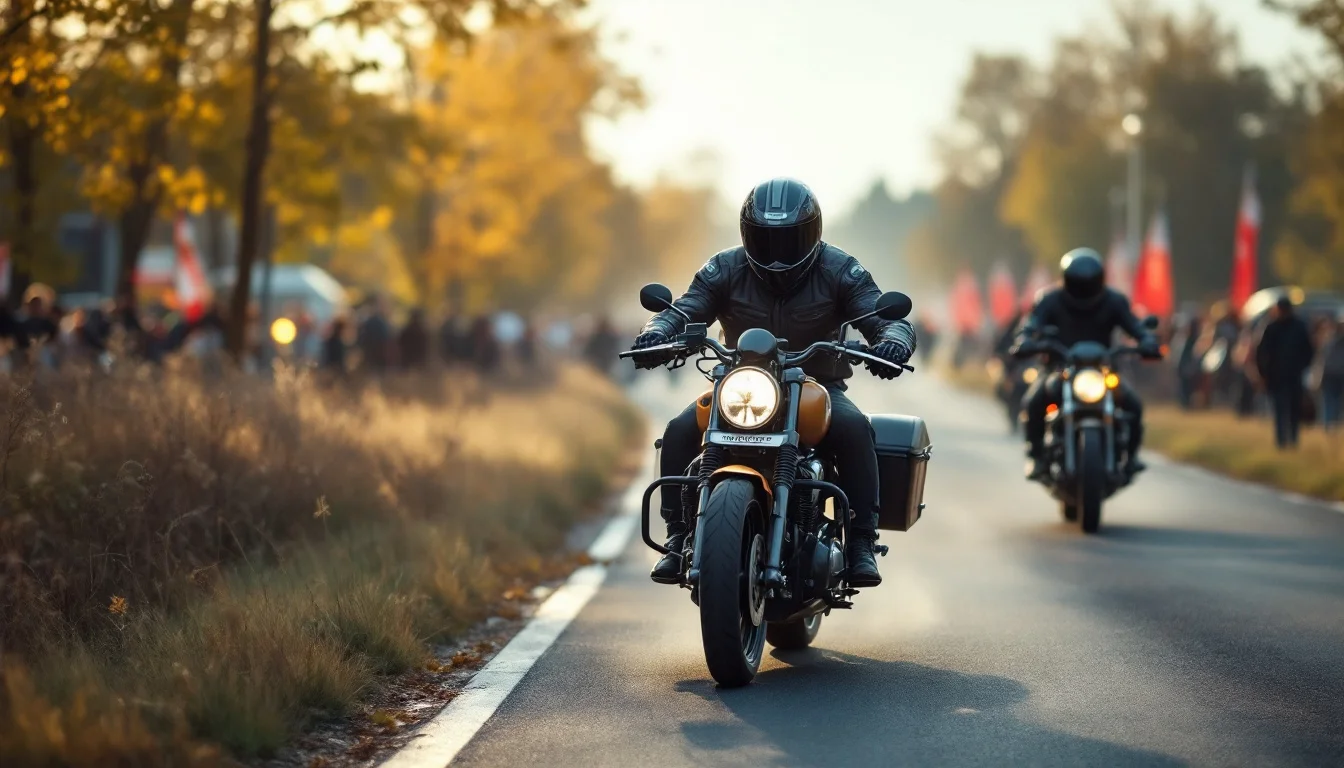
Best Motorcycle Roads in Belgium and the Ardennes: The 2026 Cross-Border Route Guide
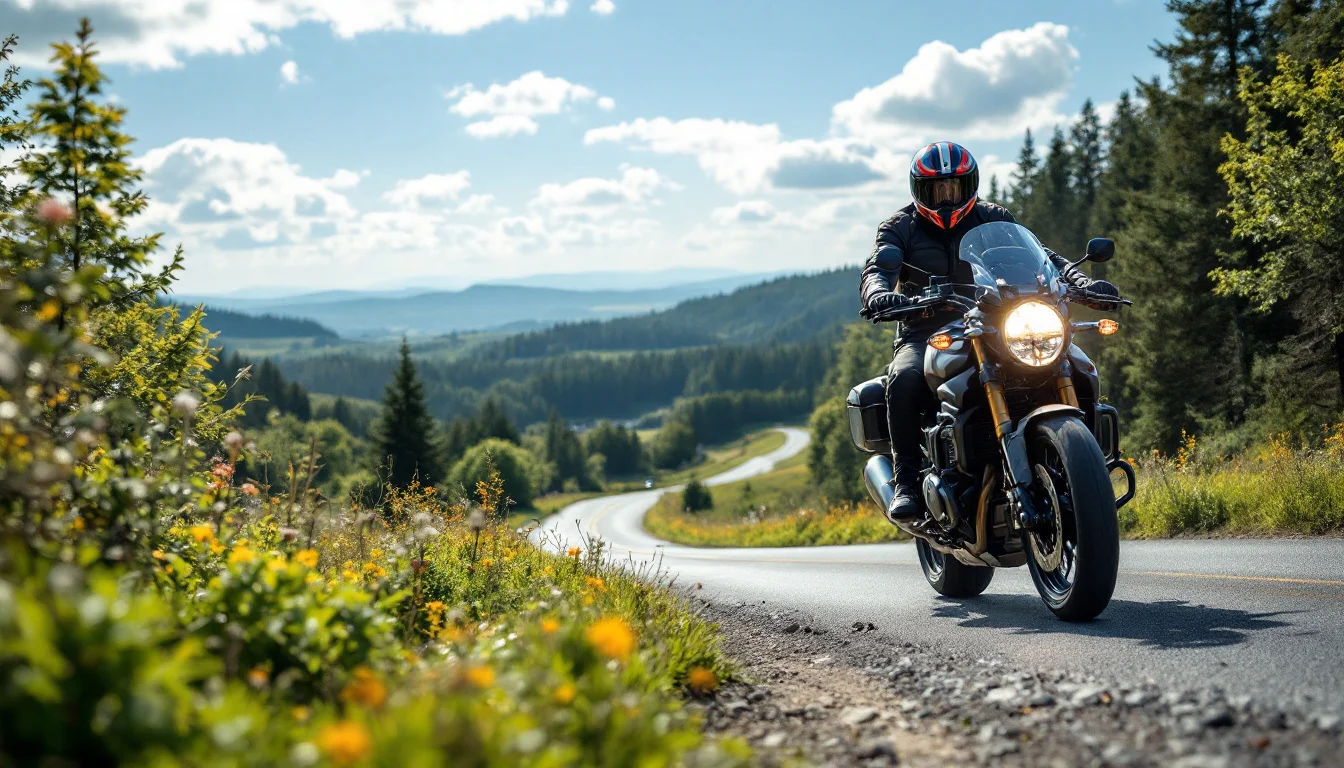
Ardennes Motorcycle Touring in 2026: What Has Changed
The modern motorcycle tour through the Ardennes has evolved beyond a casual weekend wander. Touring the Benelux region and its immediate borders now relies on a calculated, digitally enabled strategy. Riding across this terrain requires riders to actively bridge the technical sweepers of Belgium with the dense forest runs of neighboring countries. Cross-border navigation helps build the ultimate itinerary.
Timing this expedition correctly is the first step in successful route planning. According to Flies on the Visor, May through June and September are identified as the sweet spots for these European touring regions. During these specific windows, motorcyclists benefit from significantly better prices and encounter fewer crowds on the most popular stretches of tarmac. Riders taking advantage of this late-season window can experience the region while avoiding peak summer tourist congestion.
Key Takeaways
- Central Anchor: La Roche-en-Ardenne serves as an optimal central staging point for multi-directional loops.
- Fuel Economics: Routing through Vianden, Luxembourg, provides access to generally cheaper national fuel pricing.
- Transit Corridors: The Belgian N62 and N68 serve as the primary fast-flowing transit routes.
- Nürburgring Changes: According to Flies on the Visor, motorcycles have been prohibited from the Nürburgring Nordschleife during Touristenfahrten sessions since 20 February 2025, with the ban reported to remain in force for the entire 2026 season.
- Maintenance Checks: Spirited riding on loaded bikes requires careful pre-trip inspection of outer tyre edges.
Why is La Roche-en-Ardenne a 2026 Belgian Anchor?
A successful cross-border touring strategy requires a central geographic anchor, and the Belgian Ardennes offers one primary hub that consistently meets the logistical demands of modern riders.
The Geographic Advantage
MotorMakkers highlights La Roche-en-Ardenne as a classic motorcycling base. The town is beautifully located and riders can seamlessly head in many different directions from it. It acts as the perfect staging ground for daily loops. Instead of constantly packing and unpacking panniers, riders can utilize the town to strip their bikes down to unladen weight. Heading out onto technical provincial routes with improved suspension response and better power-to-weight ratios allows for a more dynamic ride.The Samrée Ascent
Heading out from this basecamp, specific local routes immediately deliver technical riding. MotorMakkers notes the section from La Roche towards Samrée is well known among riders. It is characterized by beautiful, clear bends, a reasonable road width, and generally enjoyable riding. This particular stretch allows motorcyclists to establish a steady rhythm early in the day. Riders can carry momentum without the constant heavy braking often required on tighter alpine passes. By securing accommodation in La Roche-en-Ardenne, motorcyclists position themselves at the exact intersection of major regional arteries, where every morning offers a different challenge.The Cross-Border Basecamp Strategy: Where to Drop the Kickstand
While La Roche-en-Ardenne anchors the Belgian riding experience, optimizing a multi-day itinerary often involves selecting a primary hub that aligns with a rider's specific budget and geographical focus. A comparison of three distinct regional hubs clarifies how location impacts the overall touring experience.
| Regional Basecamp | Key Vibe & Atmosphere | Primary Road Access | Economic & Fuel Advantage |
|---|---|---|---|
| La Roche-en-Ardenne (Belgium) | Classic Ardennes scenery | Easy multi-directional loops across Belgian provincial roads | Excellent central staging |
| Vianden (Luxembourg) | Postcard castle backdrop, river valley setting | Quick access to the winding Our and Sûre valleys | Generally cheaper fuel costs, according to Flies on the Visor |
| Monschau (Germany) | Traditional cobblestone charm | Right on the edge of the Eifel region's best K-roads | Immediate access to German routes |
The Economic Variable
Choosing where to establish a basecamp is not solely about cornering dynamics; it is also a matter of trip economics. Flies on the Visor notes that fuel is generally cheaper in Luxembourg, which noticeably softens the fuel bill for riders touring the broader Ardennes and Eifel area. Motorcyclists who establish their base in Vianden, or who actively route their daily transits through the Luxembourg border, may be able to leverage these lower fuel costs to offset the premium prices of late-season accommodation.Balancing Charm and Tarmac
Conversely, riders prioritizing immediate access to German engineering and road maintenance often look toward Monschau. Suggested by Flies on the Visor for its cobblestone charm, Monschau sits right on the edge of the Eifel's best K-roads. This allows riders to bypass transit miles and immediately engage with high-quality tarmac every morning. The decision ultimately rests on whether a rider prioritizes the economic efficiency of Luxembourg, the central routing flexibility of Belgium, or the immediate K-road access of Germany.Connecting the Corridors: Sweepers, K-Roads, and the Nürburgring Reality
Stitching these distinct national regions together into a cohesive day ride requires an understanding of the macro transit corridors. Riders must actively navigate the spaces between the dense, technical sections by utilizing faster, flowing infrastructure.
Navigating the Belgian Transition
To maintain a high average speed between the twisty technical segments, specific provincial routes are essential. Flies on the Visor recommends the Belgian N62 and N68 corridors for joining up twisty side roads. These offer a balanced mix of sweeping corners and wooded sections. These roads act as the high-speed arteries of the Ardennes. They allow groups to cover significant ground without succumbing to the fatigue of endless tight hairpins, providing natural overtaking opportunities and long sightlines.The 2026 Eifel Constraints
Riders using these corridors to push east into the German Eifel region must factor in a significant regulatory development. According to Flies on the Visor, motorcycles have been prohibited from the Nürburgring Nordschleife during Touristenfahrten sessions since 20 February 2025, and the ban is reported to remain in force for the entire 2026 season. Riders should verify the current status directly with the Nürburgring operator before planning. This development alters traditional eastward routing. Modern itineraries avoid funneling toward the Nordschleife toll gates and bypass the immediate Nürburgring traffic entirely. Instead, riders use the N62 to access the surrounding, unrestricted K-roads of the Eifel, spreading the motorcycling footprint deeper into the countryside.Digital Roadbooks: The Evolution of Route Planning
The complexity of connecting Belgian sweepers with Luxembourg fuel stops and German K-roads has pushed route planning into the digital ecosystem. The modern cross-border tour is driven by live-editable, community-sourced roadbooks.
Local Platforms and Massive Scale
Belgium itself serves as a major hub for this digital routing technology. RouteYou, a Belgian route-planning platform based in 9050 Gentbrugge, states on its platform page (retrieved 2026) that it holds more than 11,800,000 routes and serves more than 15,000,000 users. The sheer volume of data available through platforms operating at this scale allows riders to filter routes by exact criteria. Motorcyclists can take a base route established by a local rider and edit it on the fly to avoid unexpected roadworks or to divert toward a specific valley.Motorcycle-Specific Tracking
While generalized routing platforms offer immense scale, specialized applications provide niche tracking tailored specifically to riding dynamics. Detecht Roadbook states (as of the date retrieved) it has 5,301 motorcycle routes in Belgium. These are tracked directly by riders in its community and are browsable with maps, statistics, and pictures.By synthesizing these tools, riders in 2026 can build dynamic itineraries. A rider might use the massive community database of RouteYou to map the broad transit down the N62, and then switch to Detecht's motorcycle-specific interface to find a highly rated detour toward Samrée.
Preparation and Practicalities: Rubber, Labels, and Borders
Executing a fast-paced tour across the Benelux region introduces specific wear-and-tear considerations that must be addressed before departure.
Managing Tyre Physics
The technical nature of the Ardennes tarmac heavily impacts motorcycle consumables. An observation from a recent tour by Flies on the Visor highlights a critical gear check: a loaded bike and spirited riding can wear out the last usable 3mm of a tyre. The end of a tyre tends to wear faster under these conditions. When pushing heavy adventure bikes or loaded sports tourers through sweeping corners, the friction on the outer edges of the rubber compound accelerates. Riders must inspect the absolute edges of their profiles before the trip, ensuring that enough tread remains to handle unexpected late-season rain in the river valleys.Dedicated Hospitality Infrastructure
Beyond mechanical preparation, finding suitable overnight stops has been streamlined by regional tourism boards recognizing the economic value of motorcycling. The ADT des Ardennes created the 'Home Bikers – The Ardennes by motorbike' label, aimed specifically at accommodation hosts to assure bikers of a welcome suited to their needs. Utilizing this network takes the guesswork out of booking, ensuring that the basecamp chosen in places like La Roche-en-Ardenne is genuinely equipped to handle touring motorcycles.FAQ: Touring the Ardennes by Motorcycle in 2026
Do I need a motorway vignette for Belgium, Germany, or Luxembourg?
According to Flies on the Visor, Germany, Belgium, and Luxembourg do not require a vignette for motorways. Riders should verify this with official national transport authorities before travel, as rules are subject to change. This, if confirmed, significantly streamlines cross-border transits, allowing riders to hop onto major highways for quick repositioning without stopping at borders to purchase stickers.Conclusion: The Next Horizon for Benelux Touring
As digital roadbooks become increasingly sophisticated, the barrier to discovering the hidden transit corridors of the Benelux region continues to drop. The integration of community-tracked data means that routes are constantly optimized, allowing riders to fluidly adjust their trajectories across international borders based on real-time feedback. This digital tooling, combined with specialized hospitality infrastructure, ensures that the sweeping valleys and dense forests of the region are highly accessible for European motorcyclists pushing the limits of their touring capabilities.